 |
 |
 |

Alumino-silicate Glass Ceramic
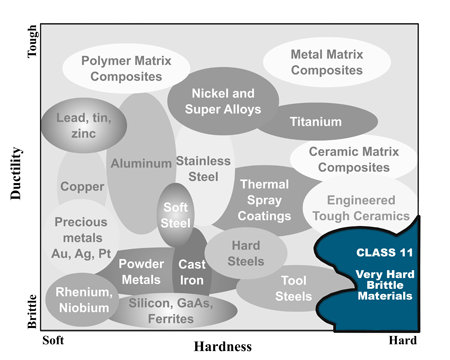
Specimen Preparation (Class 11 Procedures)
 |
 |
Glass ceramics are unique materials that have very samll crystalline structures. The primary advantage of glass ceramics is that they produce very interesting thermochemical properties because they are impervious to thermal shock.
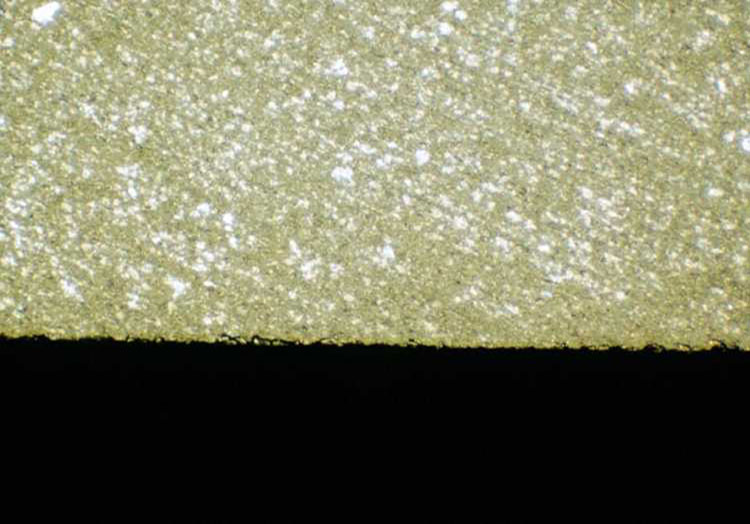
Proper microstructural preparation of these materials requires minimizing damage during cutting or sectioning. Therefore, the most important step in the preparation of glass ceramics is sectioning. If the glass ceramic is chipped or excessively cracked during sectioning, it may be impossible to remove this damage. Wafer sectioning with a fine grit diamond wafering blade is essential.
Planar grinding is accomplished with diamond on a metal mesh cloth to minimize cracking and subsurface damage. For rough polishing, the use of a low-napped polishing pad with polycrystalline diamond and colloidal silica eliminates most of the surface and subsurface damage. Final polishing is accomplished with a resilient porous urethane polishing pad such as BLACKCHEM 2 using SIAMAT colloidal silica.
SECTIONING
Diamond Wafering blade - fine grit / low concentration
MOUNTING Castable Mounting with Epoxy or Acrylic resins
POLISHING
| Abrasive/surface | Lubricant | Force/ sample | Speed (Head/base) |
Time | Individual Force mode |
Central Force mode |
|---|---|---|---|---|---|---|
| 70 micron diamond grinding disk* |
Water | 5-10 lbs | 200/200 rpm | Planar |
 |
|
| 30 um DIAMAT diamond suspension on CERMESH Metal Mesh cloth |
5-10 lbs | 200/200 rpm | 5 min | 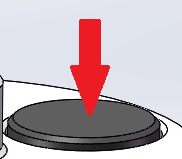 |
|
|
| 6 um DIAMAT diamond on TEXPAN polishing pad |
SIAMAT colloidal silica |
10 lbs | 200/200 rpm | 5 min | |
|
| 1 um DIAMAT diamond on GOLDPAD or ATLANTIS polishing pad |
SIAMAT colloidal silica |
10 lbs | 200/200 rpm | 5 min | |
|
| SIAMAT Colloidal silca on TEXPAN polishing pad |
10 lbs | 200/200 rpm | 5 min | |
|
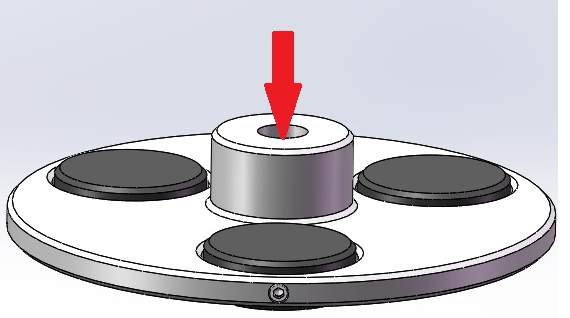
*Required for central polishing force. Click here for more information on central vs. individual polishing force polishing.
 |
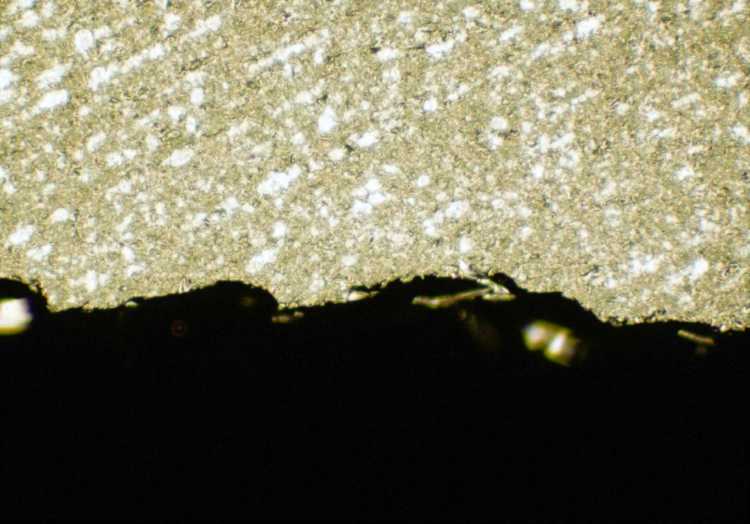 |
| Fine grit diamond wafering blade | Medium grit diamond wafering blade |
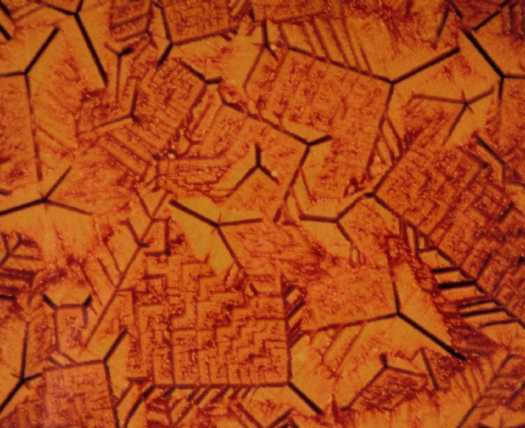 |
| Alumino-silicate glass ceramic, 400X (Polarized light) as polished |
ETCHING
Common Etchants


CAUTION:Safety is very important when etching. Be sure to wear the appropriate protective clothing and observe all WARNINGS on chemical manufacuters SDS (Safety Data Sheets). Also review the COMMENTS and CONDITIONS Section for each etchant.
PACE TECHNOLOGIES CONTACT
PACE Technologies
3601 E. 34th St.
Tucson, Arizona 85713
+1-520-882-6598
FAX +1-520-882-6599
email: pace@metallographic.com
https://www.metallographic.com
Information Requests
Copyright 2006-2022
PACE TECHNOLOGIES® -
3601 E. 34th St., Tucson, AZ 85713,
USA
Telephone +1-520-882-6598 FAX +1-520-882-6599
All Rights Reserved