 |
 |
 |

Multilayer BaTiO3 Ceramic Capacitor
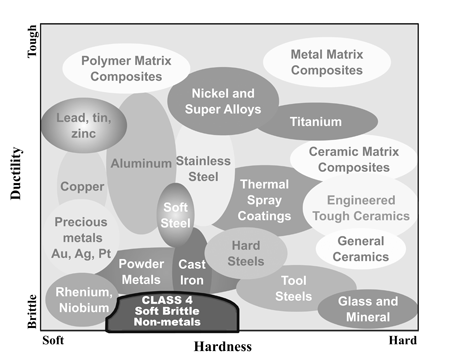
Specimen Preparation (Class 4 Procedures)
 |
 |
Ceramic capacitors are typically very small, inexpensive devices used in cell phones, MP3 players, computers and other electronic products. MLC devices are constructed of alternating layers of metal and ceramic, with the ceramic material acting as the dielectric.
Microstructural analysis of a BaTiO3 ceramic capacitor includes looking for missing metal layers, as well as for examining for any gaps and voids in the ceramic substrate. Microstructural preparation of multilayer BaTiO3 ceramic capacitors requires minimizing polishing relief and damage to the coating or ceramic substrate. This is accomplished by filling the existing voids with a castable resin under vacuum and then curing at a higher pressure. Initial grinding with alumina lapping films is required to open up the capacitor, as well as to minimize microstructural damage. Rough and final polishing are recommended on low napped woven polishing pads using diamond and colloidal silica, respectively.
SECTIONING
Not required
MOUNTING
Castable epoxy or acrylic resins
POLISHING
| Abrasive/surface | Lubricant | Force/ sample | Speed (Head/base) |
Time | Individual Force mode |
Central Force mode |
|---|---|---|---|---|---|---|
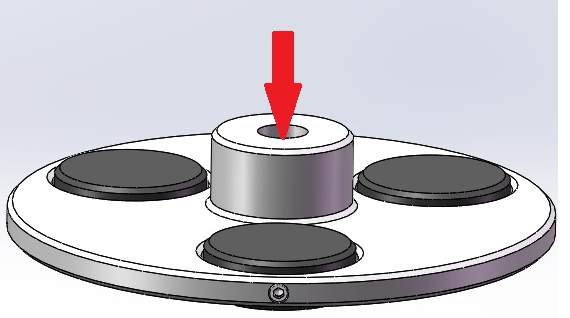
| 45 um Alumina Lapping Film* 30 um Alumina Lapping Film* |
Water |
5-10 lbs | 100/100 rpm | Planar 1 min |
 |
|
| 15 um DIAMAT diamond on POLYPAD polishing pad |
DIALUBE Purple Extender |
5-10 lbs | 100/100 rpm | 3 min |
 |
|
| 6 um DIAMAT diamond on GOLDPAD polishing pad |
DIALUBE Purple Extender |
5-10 lbs | 100/100 rpm | 3 min | |
|
| 1 um DIAMAT diamond on ATLANTIS polishing pad |
SIAMAT colloidal silica |
5-10 lbs | 100/100 rpm | 2 min | |
|
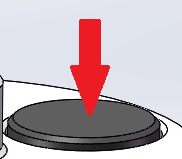
*Required for central polishing force. Click here for more information on central vs. individual polishing force polishing.
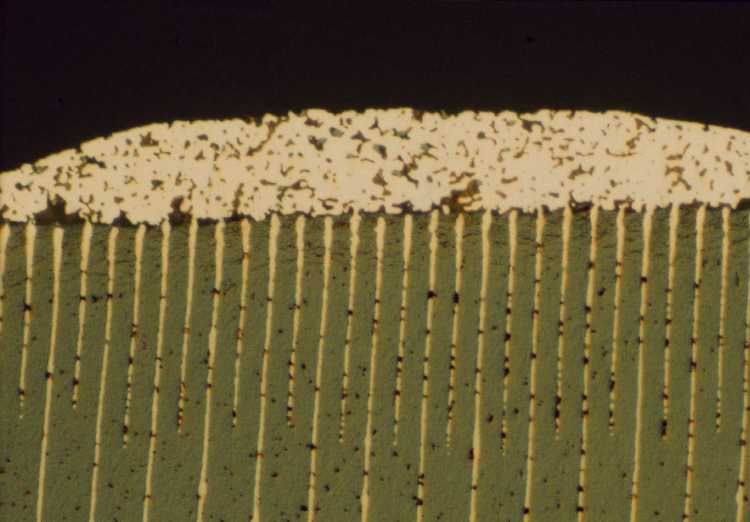 |
| BaTiO3 Multi-layer Ceramic Capacitor |
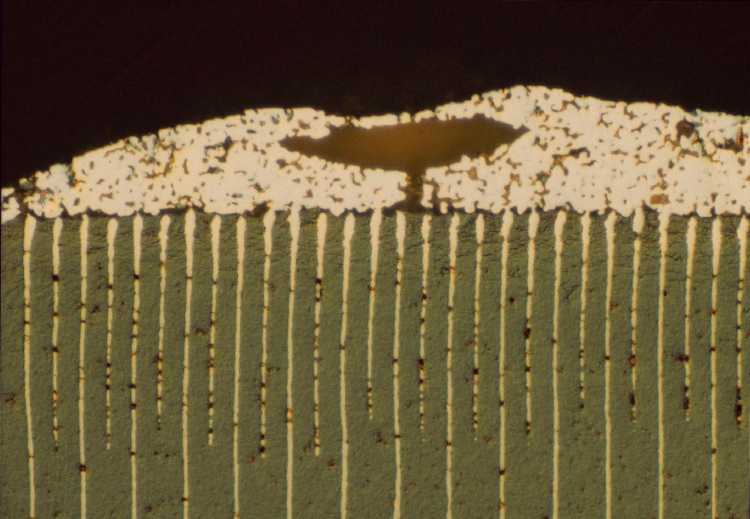 |
| BaTiO3 Multi-layer Ceramic Capacitor with void in metal layer |
ETCHING
Common Etchants


CAUTION:Safety is very important when etching. Be sure to wear the appropriate protective clothing and observe all WARNINGS on chemical manufacuters SDS (Safety Data Sheets). Also review the COMMENTS and CONDITIONS Section for each etchant.
PACE TECHNOLOGIES CONTACT
PACE Technologies
3601 E. 34th St.
Tucson, Arizona 85713
+1-520-882-6598
FAX +1-520-882-6599
email: pace@metallographic.com
https://www.metallographic.com
Information Requests
Copyright 2006-2022
PACE TECHNOLOGIES® -
3601 E. 34th St., Tucson, AZ 85713,
USA
Telephone +1-520-882-6598 FAX +1-520-882-6599
All Rights Reserved