 |
 |
 |

Sintered Iron
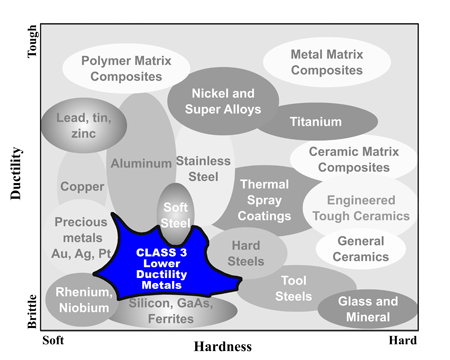
Specimen Preparation (Class 3 Procedures)
 |
 |
Powder metallurgy is a very useful manufacturing process for parts designed with hard-to-machine geometries. The process includes pressing a metal powder into the rough shape and then sintering it just below the melting temperature of the alloy.
The metallographic specimen preparation of powder metallurgy samples is affected by the specimen’s composition, packing and sintering conditions. Microstructural features of interest include: porosity, grain size, inclusions and orientation of voids. Proper metallurgical preparation takes into account that the microstructure may be porous and perhaps somewhat brittle due to inadequate sintering conditions.
SECTIONING
MAXCUT Abrasive blade (Cat. No. MAX-E or MAX-I series)
MOUNTING
Castable mounting with epoxies or acrylics using vacuum impregnation
POLISHING
| Abrasive/surface | Lubricant | Force/ sample | Speed (Head/base) |
Time | Individual Force mode |
Central Force mode |
|---|---|---|---|---|---|---|
| 120 grit SiC paper 240 grit SiC paper* |
Water |
5-10 lbs | 200/200 rpm | Planar 1 min |
 |
|
| 360 grit SiC paper 600 grit SiC paper 800 grit SiC paper 1200 grit SiC paper |
Water |
5-10 lbs | 200/200 rpm | 1 min 1 min 1 min 1 min |
 |
|
| 1 um DIAMAT diamond on GOLDPAD polishing pad |
DIALUBE Purple Extender |
5-10 lbs | 200/200 rpm | 2 min | |
|
| 0.05 um Nanometer alumina on TRICOTE polishing pad |
5-10 lbs | 100/100 rpm | 30 sec | |
|
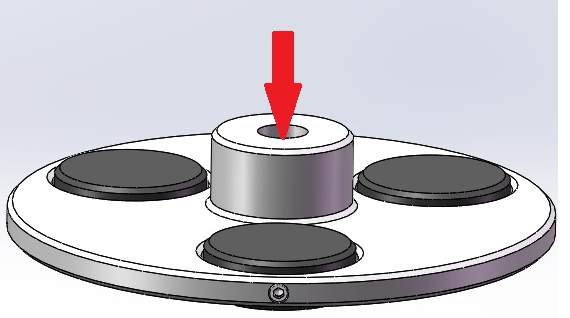
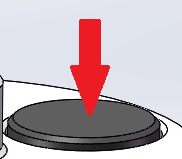
*Required for central polishing force. Click here for more information on central vs. individual polishing force polishing.
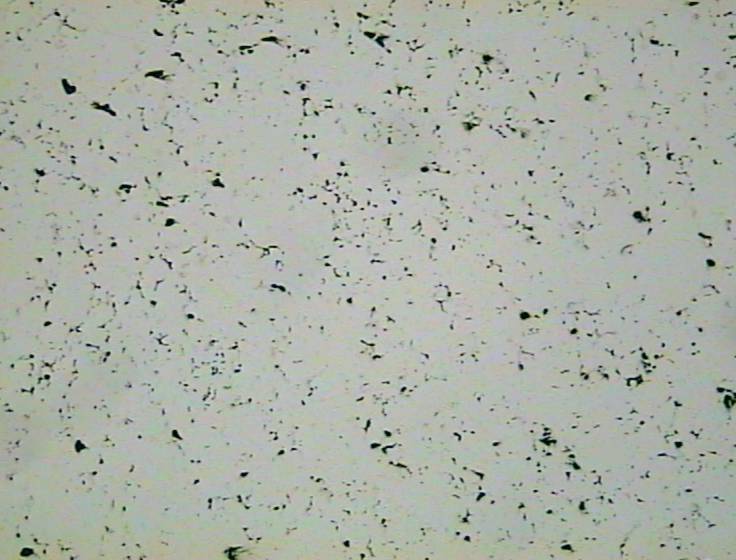 |
| Sintered Iron, Mag. 100x (B.F.), as polished) |
ETCHING
Common Etchants


CAUTION:Safety is very important when etching. Be sure to wear the appropriate protective clothing and observe all WARNINGS on chemical manufacuters SDS (Safety Data Sheets). Also review the COMMENTS and CONDITIONS Section for each etchant.
PACE TECHNOLOGIES CONTACT
PACE Technologies
3601 E. 34th St.
Tucson, Arizona 85713
+1-520-882-6598
FAX +1-520-882-6599
email: pace@metallographic.com
https://www.metallographic.com
Information Requests
Copyright 2006-2022
PACE TECHNOLOGIES® -
3601 E. 34th St., Tucson, AZ 85713,
USA
Telephone +1-520-882-6598 FAX +1-520-882-6599
All Rights Reserved