Tin Alloy Etchants
Guide to etching tin and tin alloys for metallographic analysis. Covers dilute HCl, Nital, and ferric chloride for solders, bearing alloys, pewter, and electronic applications.
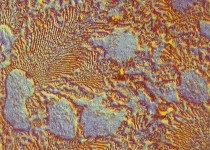
Alloy Classification & Preparation
Tin is very soft (Brinell ~5) and has a low melting point (232°C), requiring careful handling during preparation.
Common Tin Alloy Systems
Tin alloys used across electronics, bearings, and decorative applications.
View alloy systems
- Tin-lead — Traditional solders for electronics and plumbing
- Tin-silver — Lead-free solder replacements
- Tin-antimony-copper — Babbitt/bearing metals
- Tin-copper — Bronze for springs, connectors
- Pure tin — Tin plating, food containers
- Pewter — Tin-antimony-copper decorative castings
Preparation Tips
Tin’s extreme softness demands careful handling at every preparation step.
View key considerations
- Use low grinding and polishing pressures to minimize smearing
- Avoid excessive heat during sectioning (low melting point)
- Clean thoroughly between steps to prevent contamination
- Store prepared samples in desiccator to prevent oxidation and tin pest
Safety Notes
Important safety precautions when working with etchants.
View safety info
- Wear gloves, safety glasses, and lab coat
- Observe all SDS warnings on chemicals
- Do not exceed 10% nitric acid in Nital—explosive hazard
- Work in well-ventilated area or fume hood
Recommended Etchants
For a comprehensive searchable list, visit the Etchant Database.
| Etchant | Composition | Conditions | Applications |
|---|---|---|---|
| Dilute HCl |
|
|
|
| Nital |
|
|
|
| Ferric Chloride |
|
|
|
Troubleshooting
Common etching issues and how to resolve them.
Over-etching
Surface too dark or grainy. Reduce time by 50% and monitor under the microscope.
Under-etching
Grain boundaries not visible. Increase time or ensure etchant is fresh.
Uneven Etching
Ensure sample is dry before etching with consistent immersion or swabbing motion.
Smearing Artifacts
Tin is very soft—re-polish with lighter pressure and shorter times before re-etching.
Staining
Rinse immediately with water or alcohol and dry with compressed air.
Poor Contrast
Try alternative etchants or adjust concentration. Ferric chloride works well for tin-copper alloys.
Related Resources
Class 1 Prep Guide
Preparation procedures for soft, ductile materials including tin.
View guideEtchant Selector Tool
Find the right etchant for any material.
Open toolEtchant Database
Searchable database of metallographic etchants.
Browse databaseMaterials Database
Look up procedures and properties for hundreds of materials.
Explore materials